Ali was a bit different from the other boys. He did not like to fight, he did not like to show strength or play rough games. He realised the most different thing about him was he liked to play a lot with his sister Sara.
Ali's father was ok with that until he turned thirteen, then he said he cannot be seen playing girls games with his sister and was forbidden to play outside with her friends.
Zain was different too. He did not have a sister but he was the only other boy in his group of girl friends. Ali was unsure if Zain really wanted to be his friend or he was just fancying his sister Sara, but he did not care much because he was really happy to have a boy among his group.
Ali also liked Fatima, Sara's best friend, but he was not sure how to show her his affection and was feeling very sad for having to stop playing with them now that he turned thirteen.
One afternoon, he asked Zain to go hide in the dates' orchard to have a "serious conversation".
Zain was happy to have an excuse to stop playing football with the other boys, the heat was too strong and he did not really like the game anyway.
Ali found a quiet corner under a big date palm and confessed to Zain his feelings for Fatima and was surprised to see Zain getting very angry about it. Surprise turned to confusion and shame when he apologised to Zain for making him upset and hugged him, and then, so naturally, they kissed. It was Ali's first kiss, it was Zain's first kiss.
Zain confessed he always liked Ali and pretended to fancy Sara to not raise suspicions.
They were both very excited but so aware of how wrong this was. Suddenly that big date palm tree felt like pretending to hide behind a grass straw.
Ali felt very sorry for Zain, he really enjoyed kissing him but he really liked Fatima too.
Zain could not have any of that so he ran away holding his tears and went back to play football determined to show all the boys how manly he could be.
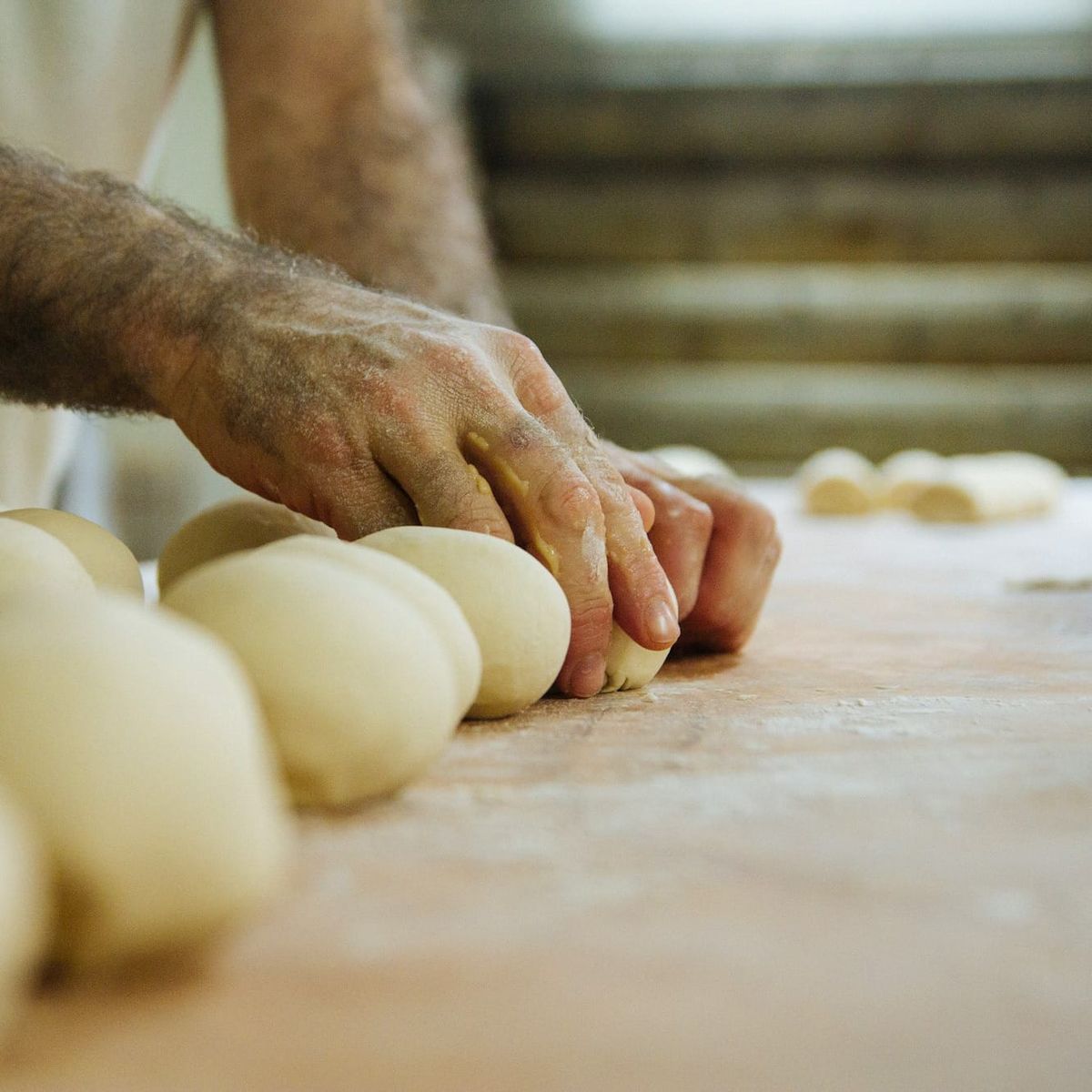
Ali never spoke to him again and the next summer started working as a baker at his father oven.
The engagement
Sara was so excited when she left the counter and approached Ali at the oven. Ali had no idea why his sister was so happy after selling bread to Fatima's mom, then she squealed: "Fatima is getting married in two months!"
Ali suddenly realised he spent four years baking bread and doing nothing else with his life, then he enquired: "With whom?" - Sara smile died a little when she murmured "Zain"
Ali understood why he spent four years baking day and night. Sure, he had to provide for his family since his father went fighting at the border, but the real reason for working so hard was to hide himself from everything that was happening outside, the oven was another dates's orchard, except he was all by himself.
When the shop closed, Ali lied to Sara saying he had to clean the oven and couldn't go to Fatima's family house to congratulate her.
Sara was too excited to think too much of it and walked fast to the other side of the village where Fatima lived.
She crossed through the field that once was the dates' orchard, now filled with craters from last year's bombing, thanks to the brave fighters at the border at least the bombing stopped so far south!
"Please try to persuade your borther to come, for my sake!" Fatima begged Sara at the doorstep after they spent the whole evening planning the wedding. Sara told her she'll do her best and walked back home under a full moon and a carpet of stars.
The marriage
Fatima was so beautiful in her wedding dress as was Zain. Ali surprised himself, feeling happy for them and enjoying looking at them together, still feeling a strong attraction for the two. It was so awkward to have those thoughts sitting next to his father. He came all the way from the border for Zain's wedding but all he was talking about now was the slaughter at the border.
Ali missed the warmth of the oven and the feeling of soft dough under his hands.
Around him, most men were missing limbs or had scars on their faces, all seemed to judge him, the baker, with all his limbs and fingers and toasted smooth skin on his face.
He started to wonder why his sister insisted so much for him to come to the wedding, he naively thought Zain wanted to befriend him again but he didn't even looked at him once in the eyes.
Towards the end of the wedding all become clear, his father didn't come all the way from the border for a stupid wedding, all the men were taken in a tent and recruited for the first incursion beyond the border. It will be a year of training to prepare them for the biggest offense, they will finally slaughter anyone on their path: the men were instructed to leave the venue in the pickup trucks waiting outside, including the groom, Zain.
Just before they left, Fatima built the courage to walk up to Ali, she told him she was pregnant and she was so proud of him and Zain joining the fight. Before Ali could say anything his father and Zain joined them. Ali's father interjected: "I'll bring these two boys back as men next year, we will bless your child! Now move you two, join the others, time to leave."
The mother
Ali was silent while his father was driving and lecturing Zain about being a father. Through this year Ali became a man, or so they said, for sure he was now full of hate for the people beyond the border.
They were not allowed to fight yet, before their incursion mission, but he helped the doctors at the hospital and saw so many wounded and heard so many stories about how those animals beyond the border behaved. There was also still a lot of bombing going on at the border, countless women and children were flocking to the hospital which was spared from the bombing. Ali was not sure why, his father tried to explain to him about international support and politics but he was not a great teacher, he was not a great father, he was just a good baker.
They entered Fatima house and Ali was stunned how much she changed. She was holding her three months old son, close to her chest.
Ali saw the strength of Fatima motherhood and he felt less of a man.
His wall of hate crumbled as soon as a feather of love fell on it.
Zain instead was cold and distant, almost annoyed.
When the boy was born Fatima confessed to Sara that as soon as she got pregnant Zain never touched her again. He never showed affection except on the wedding day to make Ali jealous, she said.
She couldn't understand what was going on in Zain head and she felt wrong for not being loved, and now, devastated to see his coldness with his three months old son.
The whole visit was really awkward and brief. It turned out the real reason for the driving was to collect supplies. The incursion will happen soon, his father told them on the way back. Ali fell asleep on the back of the truck surrounded by weapons, exhausted with anger.
The incursion
Ali woke up at 3AM, it was so cold.
He was full of adrenaline as their trucks crossed the border, soon replaced by boredom as they drove for almost an hour to reach the town they targeted to attack, yet, still too excited to fall asleep. Tonight they will slaughter the men responsible for all the bombing and suffering. They will kidnap the witches bearing monstrous children that will be grown into fighters.
No one has to be spared, no one is innocent, none of them are human.
Ali jumped out of the truck. He heard the first shots being fired by those that arrived a few seconds earlier, everyone couldn't wait to finally kill!
Ali noted how the men they were shooting at were so remarkably similar to him. The screams of the women and children sounded exactly like the ones of his people mourning their dead ones after a bombing.
He did not shoot a bullet and yet a lot of blood and dead men were lying at his feet outside their houses, while women and children were dragged into a truck.
Zain shouted: "Ali! Ali! Upstairs. Here! Go get the woman upstairs!"
Ali watched Zain dragging two boys no older than fifteen, then heard two gunshots as he was climbing up the stairs. Through the rhythmic hammering sound of his heartbeat he could hear sobbing as he approached the bedroom door, he entered the room.
A woman looked at him with terror and he noticed an infant in her arms. He then saw a mother, like Fatima, so worried about the world her child was born into. She looked in his eyes and she spoke without fear: "You're different, I see it! You see me! You understand, please, please, spare us!"
Ali's legs wobbled as he dropped on one knee, like a knight paying respect to his queen.
She ran her fingers in his hair and softly said again "Please spare…" - but before she could finish her sentence a bullet struck her on the top of her left eyebrow. She fell on her back without fighting gravity. Still holding on her arms her baby, now crying because of the loud bang.
Zain shouted "That's on you for being too slow, grab the baby and, go GO GO!"
He picked the infant up, he felt like a ball of dough. Ali missed the warmth of the oven, there was nowhere to hide, but he was not alone.